Improving Production Flows in Manufacturing Plants
In today's competitive landscape, optimizing production flows in production facilities is crucial for upholding efficiency and boosting profitability. With advancements in technology, companies are turning to new cutting solutions such as laser-based and waterjet cutting services to optimize processes and enhance product quality. Such methods not only offer precise cuts but also substantially reduce waste and downtime, allowing companies to meet increasing demands without sacrificing on standards.
As manufacturers strive to achieve operational excellence, understanding the unique benefits and applications of different cutting techniques becomes important. Laser cutting delivers high-speed precision, making it well-suited for complex designs and delicate materials, while water jet cutting is celebrated for its versatility and ability to handle heavy materials without heat distortion. By integrating these cutting technologies into their production flows, facilities can maximize efficiency, cut costs, and boost overall output, establishing the stage for sustainable growth in an constantly changing market.
Overview to Laser and Waterjet Cutting
Laser and waterjet cutting services have transformed the manufacturing industry by providing highly efficient and precise methods for cutting materials. Laser cutting uses focused light beams to vaporize, burn, or melt materials, which allows for exceptionally intricate designs and tight tolerances. It can be used on a wide range of substrates including metals, plastics, and wood, making it a flexible choice for various manufacturing needs.
Waterjet cutting, employs a high-pressure jet of water mixed with abrasive particles to cut through materials. This method is particularly suitable for more substantial materials or those that are vulnerable to high temperatures, as it does not cause thermal distortion. Waterjet cutting can process an array of materials, including glass, ceramics, and composites, making it a crucial tool for industries that require diverse manufacturing capabilities.
Both laser and waterjet cutting methods not only improve the quality of production but also enhance overall workflow in manufacturing settings. By incorporating these cutting services, manufacturers can enhance their throughput, cut down on waste, and refine the accuracy of their products, ultimately leading to higher efficiency and competitiveness in the market.
Benefits of Optimizing Production Flows
Enhancing production flows in manufacturing facilities brings about considerable gains for productivity as well as performance. By streamlining operations, businesses can decrease time and resource consumption needed to finishing tasks. Such actions not only boosts overall output and also reduces inefficiencies, permitting organizations to focus on optimizing their return on investment. An streamlined production flow has the potential to markedly reduce delivery times, allowing quicker responses for customer demands as well as industry shifts.
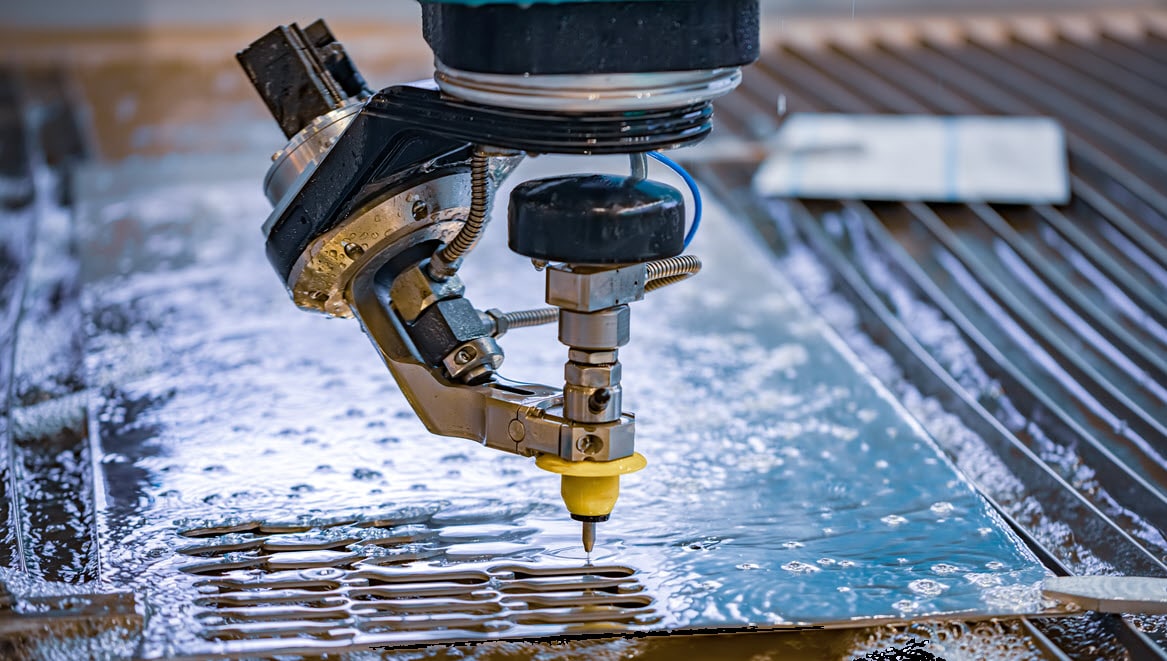
Moreover, an optimized flow can improve product quality. If production methods are optimized for efficient transitions as well as little disruption, the likelihood of defects as well as issues decreases. This is particularly crucial in industries employing cutting techniques, including laser-based and water jet cutting, where precision is paramount. A streamlined process results in a more consistent as well as product reliability, promoting greater customer satisfaction as well as returning customers.
Moreover, optimizing production processes aids in worker morale and safety. A properly organized workflow allows workers to focus on their job duties free from the stress of navigating through disorganized processes. Efficient facilities reduce the risk of workplace accidents, as hazards associated with disorganized and chaotic settings are reduced. This improved work environment not only boosts performance but also helps in keeping skilled employees, leading to a more secure and experienced workforce.
Case Studies and Effective Strategies
In the past few years, a top aerospace manufacturer adopted a dual approach utilizing both laser and waterjet cutting service s to enhance its production efficiency. The facility added laser cutting for lightweight materials, which provided high precision and speed, while waterjet cutting was used for heavier, more resilient materials that required a alternative treatment. This strategic combination allowed the manufacturer to enhance its workflow considerably, reducing production time and waste while maintaining stringent quality standards.
Another pertinent example can be seen in the automotive industry, where a company embraced waterjet cutting for intricate components needed for its vehicles. By capitalizing on this technology, they were able to reduce the thermal stress that often comes with traditional cutting methods, thereby maintaining the integrity of the materials. Furthermore, this adaptation resulted in less frequent tool changes and a smoother production line, ultimately leading to better output and reduced costs.
Finally, a small-scale fabrication shop demonstrated the benefits of investing in both technologies by offering customized services to a wide-ranging client base. By marketing themselves as a one-stop solution for both laser and waterjet cutting, they boosted their customer reach and satisfaction. This adaptability not only helped the shop stay competitive in a busy market, but it also promoted innovation, as they could tackle unique projects more efficiently with the appropriate tools at their disposal.